        | Pectoralis Major StrainGrades of Pectoralis Major StrainLike any muscle strain, a pectoralis major strain is classified by the level of damage done to the muscle or tendon. Damage can vary from a small discomfort with over stretching the muscle to a full rupture. The level of tearing will help you understand your treatment options. Grade I - Mild StrainGrade I tears are called strains. A strain feels more like discomfort within the pectoral muscle rather than acute pain because it is typically a stretch of the muscle and/or tendon. Tiny tears may occur, however, though there is no obvious area that is torn. If the pectoralis muscle is not rested properly, pain and inflammation will become worse. Quick treatment of a strain with a Cold Compress or Ice Pack and a TShellz® Circulatory Boost Wrap will help prevent further injury and chronic problems from developing. Grade II - Moderate StrainA Grade II injury is an actual tear in the muscle or tendon. It would feel like a sharp pain within the pectoral muscle or tendon, perhaps even accompanied by a tearing sound. A grade 2 strain occurs when a tendon or muscle is partially torn but still intact, leaving the pec area noticeably weaker. Grade III - RuptureA Grade III tear is a complete tear in the tendon either at the attachment to the muscle or to the bone. A tendon rupture causes a very sharp pain within the pectoralis major muscle or tendon at the time of the injury. There may even a popping or tearing sound. Treatment of a complete pectoralis major tendon tear will require surgery to rejoin the tendon back to the muscle or bone where it has become severed. Symptoms of Pectoralis Major StrainGrade I Symptoms
Grade II Symptoms
Grade III Symptoms
Causes of a Pectoralis Major Tear50% of pec injuries happen when overloading the muscle while bench pressing. Since males between 20 and 50 years of age do strengthening exercises such as these most often, they experience pectoralis major tears the most. The use of steroids is known to cause weakness in the pectoralis major which makes it more prone to a tear. Surgical ProceduresIf the pectoralis major tendon is ruptured, it must be physically re-attached. The surgeon will make an incision; move the deltoids aside and place large sutures in the torn tendon. These sutures are then secured to the arm bone with either holes in the bone or anchors inserted in the bone. Recovery time for the surgery will depend a number of different factors including your healing ability, diet, rest and how many procedures were done in your surgery. Your doctor will advise you on your recovery, and will let you know if/when physical therapy can be started. Pectoralis Major Treatments - What You Can Do!If you have a pectoralis major strain, resting it is recommended. Avoid activities that cause pain or may have caused the injury and begin cold treatments as soon as possible, using a Cold Compress or Ice Pack. Although steroid injections may provide temporary relief from the pain of pectoralis major strain they should generally be avoided as they weaken the tissue and may lead to a complete tear. If you do opt for an injection, doctors usually recommend that you do not participate in strenuous activities for several weeks to reduce the risk of a rupture. Cold TherapyTo decrease inflammation and relieve the pain of a pectoralis major strain doctor's recommend cold therapy. For an acute strain, cold therapy within the first 48 - 72 hours and after any restrain is important to limit the amount of damage done to your tissue. Cold therapy will relieve pain and swelling as needed and will reduce, or even eliminate, the need for NSAIDs. Once the inflammation of your pectoralis major injury has been reduced, nourishing and strengthening the pectoral tissue and surrounding area is recommended. Circulation Boost will help speed your recovery and heal your pectoralis major more completely preparing it for strengthening exercises. Talk to your doctor or physical therapist to find out which exercises are appropriate for your situation. TShellz Wrap® - Circulation BoostAfter severe inflammation and swelling is reduced you can begin to treat your pectoralis major tendon and muscle with Circulation Boost. This will help increase the amount of blood that flows naturally to your pectoralis major to nourish injured soft tissue and speed healing. 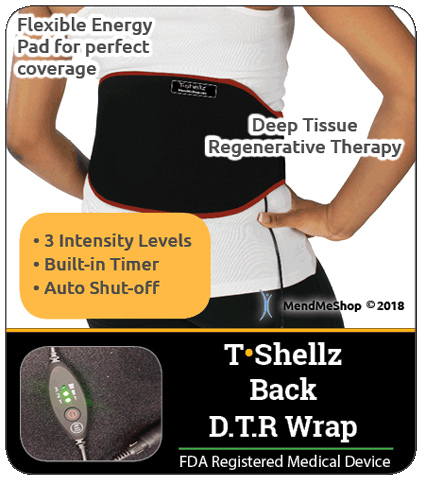 The pectoralis major naturally receives a limited blood supply and when you stop moving your arm and shoulder, because it hurts your pectoralis major muscle, the blood flow is reduced even further, limiting your body's natural ability to heal itself. By treating your pectoralis major with Circulatory Boost you can increase your body's blood supply to the pec muscle and increase your body's natural healing power. The TShellz Wrap® is the tool you need to treat your sore pectoralis major muscle because it speeds healing and relaxes the surrounding muscles. With this device, tendon and muscles are safely and gently stimulated - your body responds with a rapid increase in blood flow to the area, increasing the supply of oxygen and nutrients to injured tissue to promote healing. Our Back TShellz Wrap® provides effective, non-invasive, non-addictive pain relief and healing with no side effects. In addition, the improved blood flow whisks away dead tissue and toxins that have built up from your pectoralis major strain. When you stop moving your arm and shoulder due to pain, your muscles and other tissue can become weaker and dead tissue and toxins in the area can cause further tissue deterioration - this can lead to atrophy. By clearing the area of toxins and increasing the amount of oxygen and nutrients to your muscle and other tissue, the risk of atrophy (muscle weakness and/or deterioration) is greatly reduced. Keeping your pectoralis major tissue as healthy as possible throughout the healing process will allow you to improve pec muscle strength again once your pain has gone and your strain has healed. With these simple and safe home treatment therapies - cold therapy and the TShellz Wrap®, you will notice significantly reduced pain and an incredible improvement in your pectoralis range of motion. During your recovery, you may have to modify and/or eliminate any activities that cause pain or discomfort in your pectoralis major area until your pain and inflammation settle, and you gain more mobility and strength in your pectoralis major muscle. The more diligent you are with your treatment and rehabilitation, the faster you will see successful results! Click HERE to Go To Our Online Store We take all major credit cards and Paypal. Product specialists are available 9:00 am to 5:00 pm Eastern Standard Time Monday to Friday. If any question or concern arises, call us or simply send us an email at any time (we check our emails constantly all throughout the day and night.. even on holidays!). We will respond as soon as possible. North America Toll Free 1-866-237-9608 |
      |